Understanding TradingView and Its Core Features
In the fast-paced world of trading, having access to real-time data, sophisticated charting tools, and an intuitive platform can significantly enhance trading strategies. TradingView serves as a comprehensive platform that offers traders advanced capabilities across various markets. From powerful charting tools to customizable alerts, TradingView is designed to meet the needs of both novice and experienced traders alike.
What is TradingView?
TradingView is a cloud-based charting and social network for traders and investors. It provides a platform where users can create and share their trading ideas and analysis, with access to a vast range of financial data from stock markets, forex, cryptocurrencies, and commodities. The platform's interactive charts, social features, and extensive library of indicators make it a favorite among traders looking to stay ahead of the market.
Key Capabilities of TradingView
One of the standout features of TradingView is its extensive charting capabilities. Users can customize their charts with various indicators and drawing tools to analyze price movements effectively. Additionally, the platform offers a comprehensive alert system, allowing traders to receive notifications based on predefined price levels or technical conditions. This combination of advanced charting and alert functionality streamlines the trading process, enabling users to react quickly to market changes.
How TradingView Stands Out from Competitors
What sets TradingView apart from other trading platforms is its community-driven environment. Users can publish their trading ideas, strategies, and analysis for others to view, providing an opportunity for collaboration and learning. Furthermore, the platform's integration with social media allows for real-time discussion and the exchange of insights among traders. Combined with its superior technical analysis tools, TradingView becomes an indispensable tool for anyone serious about trading.
How to Utilize TradingView for Effective Chart Analysis
Setting Up Your TradingView Workspace
When first using TradingView, setting up the workspace to suit individual trading styles is crucial. The platform allows users to modify layouts, save multiple chart setups, and access different time frames seamlessly. This flexibility helps traders maintain focus and clarity as they analyze different assets simultaneously.
Using Technical Indicators and Drawing Tools
TradingView provides a plethora of technical indicators, including moving averages, RSI, and MACD, along with various drawing tools such as trend lines, Fibonacci retracements, and price levels. By layering these tools onto the charts, traders can uncover potential trends and reversals, providing them with a competitive edge in their decision-making processes.
Creating Customizable Templates for Different Assets
To enhance efficiency, TradingView allows users to create and save templates tailored to specific assets or trading strategies. This functionality means that traders can quickly switch between different setups based on their market focus, saving valuable time during trading hours. It also encourages a systematic approach to analysis, which is critical for long-term trading success.
Leveraging Alerts and Notifications with TradingView
Setting Up Price Alerts for Key Levels
Price alerts are one of the most powerful features of TradingView. Traders can set alerts for significant price levels, allowing them to focus on other tasks without constantly monitoring the charts. Once the price hits the designated level, the system sends a notification via email or SMS, ensuring users are always informed of crucial market movements.
Understanding Condition Alerts and Their Benefits
Condition alerts take the functionality of price alerts a step further. Users can configure alerts based on specific technical conditions, such as crossovers or divergence in indicators. This feature helps traders automatically spot potential trading opportunities without having to manually analyze the charts continuously.
Managing Alerts Across Multiple Devices
TradingView’s alerts are synchronized across all devices, including desktop, mobile, and web applications. This cross-platform functionality means that users can manage their alerts from anywhere, making it easier to stay up to date with market conditions and respond promptly to trading opportunities, regardless of their location.
Cross-Platform Usage: Maximizing TradingView's Flexibility
Accessing TradingView on Desktop, Web, and Mobile
Another significant advantage of TradingView is its accessibility across various platforms. Users can access TradingView through web browsers, desktop applications for Windows, macOS, and Linux, as well as mobile applications for iOS and Android devices. This multi-platform availability ensures that traders can conduct analysis and make trades on the go, providing ultimate flexibility.
Syncing Your Trading Activity Across Devices
TradingView's ability to sync activity across devices is crucial for maintaining continuity in analysis and trading. Users can switch from their desktop to their mobile device without losing any previously saved settings or charts, allowing for a seamless transition between different work environments.
Benefits of Multi-Screen Workflows with TradingView
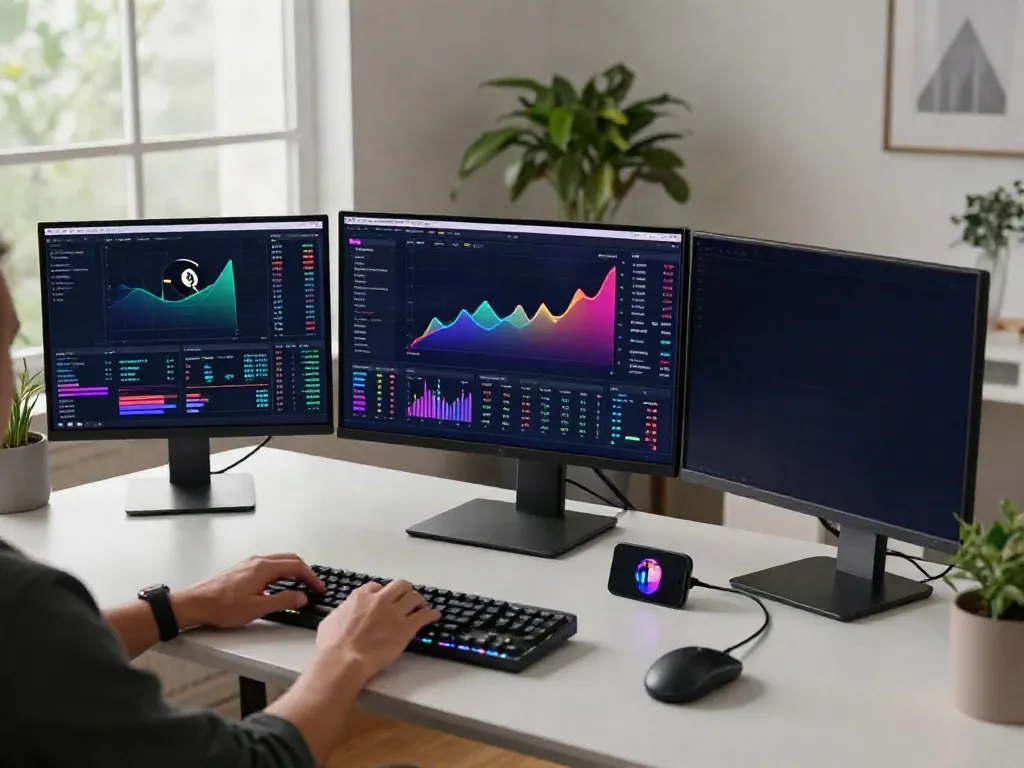
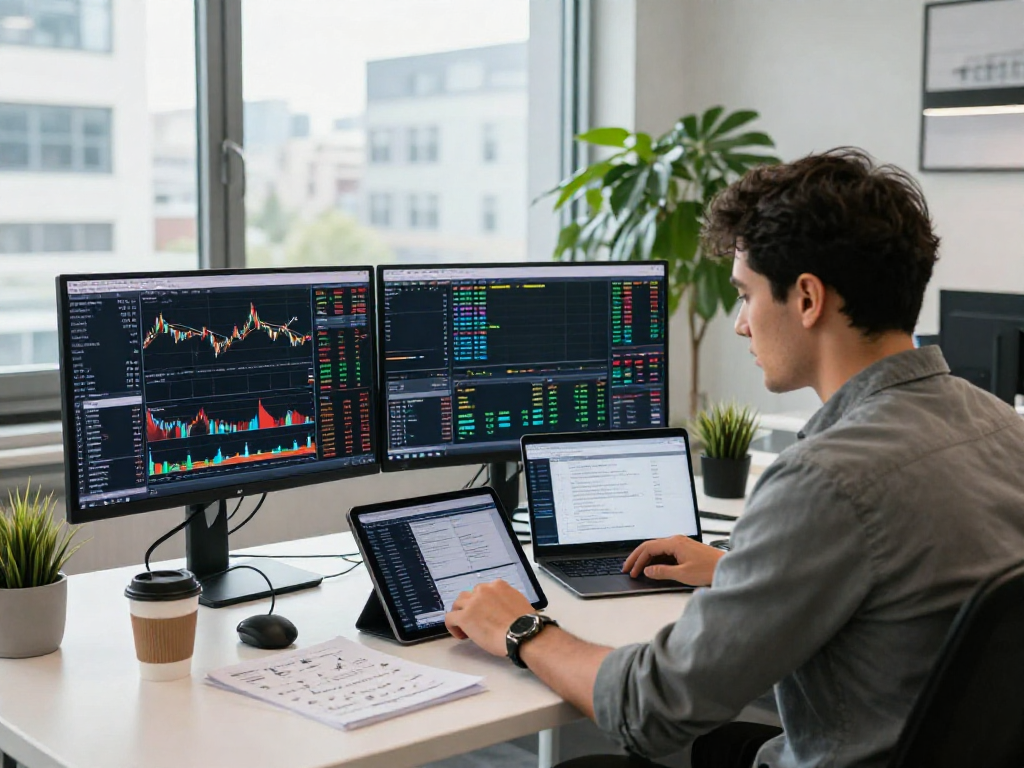
For advanced traders, utilizing multiple screens can significantly enhance trading efficiency. TradingView supports multi-monitor setups, allowing users to extend their workspace across several displays. This is particularly useful for monitoring different assets or time frames simultaneously, enabling traders to make informed decisions quickly based on real-time data.
Future Trends in Trading and Technology for 2026
Emerging Technologies Impacting Trading Platforms
As we move further into 2026, technologies such as artificial intelligence and machine learning are set to reshape the trading landscape. These technologies will enable platforms like TradingView to offer even more sophisticated tools for market analysis, predictive analytics, and automated trading strategies, providing users with unprecedented insights and performance enhancements.
Predictions for User Growth and Feature Expansion
The trading community continues to grow, with more users seeking advanced trading tools. As platforms evolve, we can expect TradingView to expand its features further—adding more technical indicators, enhancing social trading capabilities, and improving user interfaces to cater to a broader audience.
Best Practices for Staying Ahead in Trading
To stay ahead in the trading game, users should continuously educate themselves about market trends, technical analysis, and risk management strategies. Leveraging TradingView’s extensive resources, including articles, webinars, and community discussions, can provide traders with valuable insights to refine their strategies and improve their overall trading performance.
What are the key features of TradingView?
Key features of TradingView include advanced charting tools, technical analysis indicators, social sharing capabilities, and customizable alerts. These features work together to create a robust trading environment that caters to both new and experienced traders.
How can alerts improve trading efficiency using TradingView?
Alerts in TradingView significantly improve trading efficiency by allowing traders to automate notifications for critical market conditions, thereby reducing the need for constant monitoring of multiple charts and enabling them to focus on decision-making.
Is the TradingView app available across different devices?
Yes, the TradingView app is available on various devices, including desktop, web, and mobile, enabling traders to analyze markets and execute trades from virtually anywhere.
What is the difference between TradingView's free and paid plans?
The free plan provides basic access to essential features, while the paid plans unlock more advanced tools, additional indicators, and premium features such as ad-free browsing, increased alert limits, and priority support.
How do I set up a TradingView account?
Setting up a TradingView account is straightforward—users can simply visit the TradingView website, choose a plan, and follow the registration prompts to create an account.