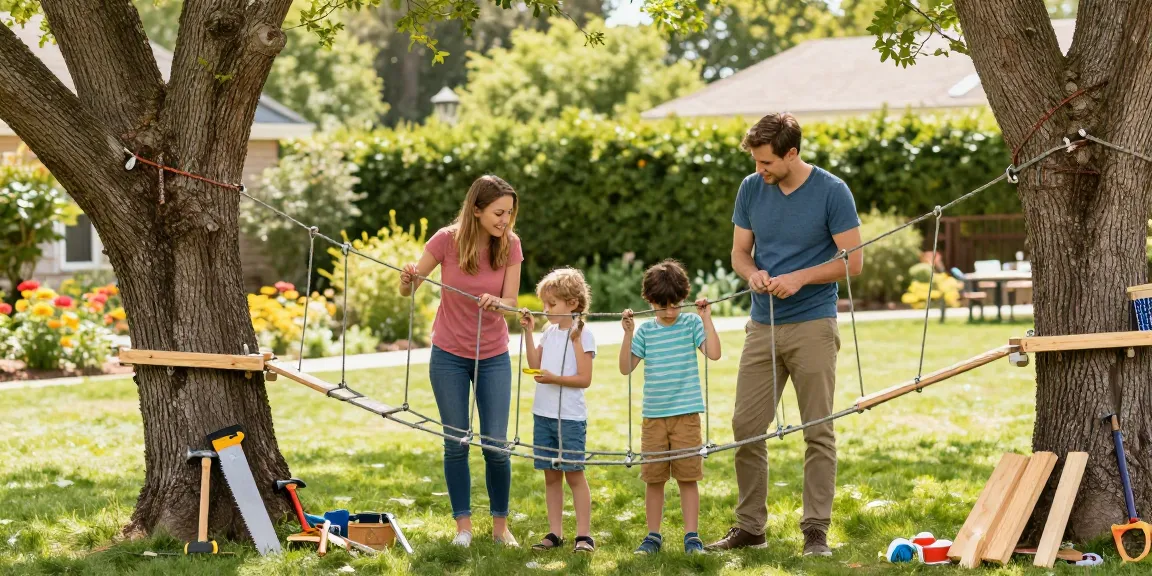
Understanding the Basics of Rope Bridge Design
Rope bridges, often seen spanning rivers or connecting treehouses, are charming and functional structures that combine art with engineering. Their design can vary widely, from simple DIY projects to complex architectural installations. Understanding the basics of Rope Bridge design helps enthusiasts and engineers alike create safe, aesthetically pleasing bridges that can withstand the test of time and nature.
What is a Rope Bridge?
A rope bridge is a type of bridge that uses ropes as its primary structural element. This design is traditionally associated with various cultures around the world, particularly in regions with abundant natural resources suitable for bridge construction. Rope bridges can be constructed using various techniques ranging from simple knots and lashings to more sophisticated cable systems.
Key Components of Effective Rope Bridge Design
Understanding the essential components of a rope bridge is crucial for ensuring its safety and functionality. Key components include:
- Support Structure: This typically consists of posts or towers that bear the load of the bridge. The height and sturdiness of these supports are critical.
- Cables and Ropes: The main load-bearing elements, which must be made from durable materials to withstand tension and environmental factors.
- Decking: The surface of the bridge, which can be made of planks, netting, or other materials that provide stability for users.
- Anchoring Systems: These prevent the bridge from swaying and ensure that the structure remains securely in place.
Benefits of Using Rope Bridges in Landscaping
Rope bridges offer a unique aesthetic appeal and can enhance the functionality of landscapes, particularly in gardens and parks. Some benefits include:
- Visual Impact: They provide an exciting visual element in outdoor spaces.
- Ecological Benefits: These bridges can reduce the impact on natural habitats compared to more rigid designs.
- Accessibility: They can connect different levels in a garden or park, allowing for seamless transitions.
- Cost-Effectiveness: Depending on materials, rope bridges can be less expensive to construct than traditional bridges.
Types of Rope Bridges: Which is Right for You?
Comparing Suspended vs. Fixed-Beam Rope Bridges
When considering a rope bridge, it's essential to choose between suspended and fixed-beam designs. Suspended bridges are typically more flexible and can span longer distances, making them ideal for crossing rivers or ravines. In contrast, fixed-beam bridges offer more stability and are better suited for shorter spans, such as connecting treehouses in a residential setting.
Choosing Materials for Your Rope Bridge Construction
The selection of materials can significantly influence the durability and safety of a rope bridge. Common materials include:
- Ropes: Synthetic ropes, such as nylon or polyester, are known for their strength and resistance to weathering.
- Cables: Steel cables can provide added strength for larger spans.
- Wood: Pressure-treated timber is often used for decking and posts, ensuring longevity while maintaining aesthetic appeal.
Factors Affecting Rope Bridge Design Choices
Several factors can influence the design of a rope bridge:
- Location: The geographical setting and environmental conditions dictate the design and materials used.
- Purpose: Whether the bridge is intended for pedestrian access, or as a decorative feature, will impact its design.
- Budget: Financial constraints can limit the choice of materials and complexity of the design.
Planning Your Rope Bridge Project
Essential Tools and Safety Measures
Before embarking on a rope bridge project, ensure you have the right tools and safety measures in place. Essential tools may include:
- Drills for creating anchor points
- Wrenches for securing bolts and cables
- Measuring tapes for accurate sizing
- Safety gear such as helmets and harnesses
Step-by-Step Guide to Designing Your Rope Bridge
The design process for a rope bridge involves several critical steps:
- Define the Purpose: Identify the main function of the bridge.
- Select the Location: Choose a suitable site considering both aesthetics and functionality.
- Create a Design Plan: Sketch a detailed blueprint, incorporating dimensions and materials.
- Gather Materials: Collect all necessary materials before construction begins.
- Begin Construction: Follow your plan closely while adhering to safety guidelines.
Common Mistakes to Avoid When Building
To ensure a successful build, be mindful of common pitfalls:
- Neglecting Safety: Always prioritise safety during construction and use protective gear.
- Inadequate Testing: Before use, test the bridge thoroughly to ensure it can support the intended load.
- Ignoring Environmental Factors: Consider the impact of wind, rain, and other elements on the bridge's stability.
Real-World Applications and Examples
Community Projects Featuring Innovative Rope Bridge Designs
Many communities around the globe have embraced rope bridges, utilising them to enhance public spaces. For instance, in parks, rope bridges can connect playgrounds, provide scenic views, and create interactive experiences for children and families.
Inspirational Ideas from Successful DIY Builds
DIY enthusiasts have crafted numerous rope bridge ideas, showcasing creativity and resourcefulness. Online platforms such as Pinterest and Instructables offer a wealth of designs that inspire new builders to embark on their projects.
Case Studies on the Impact of Rope Bridges in Parks
Case studies reveal that implementing rope bridges in parks can significantly enhance visitor engagement. Many parks have reported increased foot traffic and improved user satisfaction following the installation of such structures.
Future Trends in Rope Bridge Design
Emerging Technologies for Enhanced Bridge Stability
The future of rope bridge design is likely to be influenced by advancements in materials science and engineering. Innovations, such as high-strength synthetic fibres and smart cable-monitoring systems, promise to enhance both safety and durability.
Sustainability Practices in Rope Bridge Construction
As environmental considerations become increasingly important, future rope bridge designs are expected to focus on sustainability. This includes using reclaimed materials, minimising waste during construction, and integrating eco-friendly practices.
Anticipated Innovations in Design for 2026 and Beyond
Looking ahead to 2026, we can expect innovative designs that incorporate augmented reality (AR) for planning and visualisation, allowing builders to simulate their projects accurately before construction starts. Furthermore, the integration of renewable energy sources in lighting and maintenance systems may become a standard feature in modern rope bridges.
How do I build a rope bridge?
Building a rope bridge involves planning, selecting the right materials, and following safety protocols. Begin by sketching your design, gathering tools and materials, and constructing according to your blueprint.
What are the different types of rope bridges?
Rope bridges can be categorized into several types, including suspended, fixed-beam, and log rope bridges, each offering unique advantages based on their design and intended use.
How much does a rope bridge cost?
Costs can vary significantly depending on materials and design complexity, with DIY projects starting as low as a few hundred pounds to more elaborate designs reaching several thousand.
What is the simplest bridge design?
The simplest bridge design is often the simplest suspended bridge, which can be made from just two points of support and a rope or cable running between them.
Where can I find rope bridge kits?
Rope bridge kits are typically available at home improvement stores, online retailers, and specialty outdoor equipment suppliers, providing pre-selected materials for DIY builders.