Understanding Premium Astaxanthin
Astaxanthin is a powerful antioxidant that has garnered attention in recent years for its remarkable health benefits. This carotenoid, primarily derived from microalgae, plays a crucial role in protecting cells from oxidative stress and inflammation. As more health enthusiasts seek effective supplements, understanding the origins and benefits of premium astaxanthin becomes essential for making informed choices.
What is Astaxanthin and Its Origins?
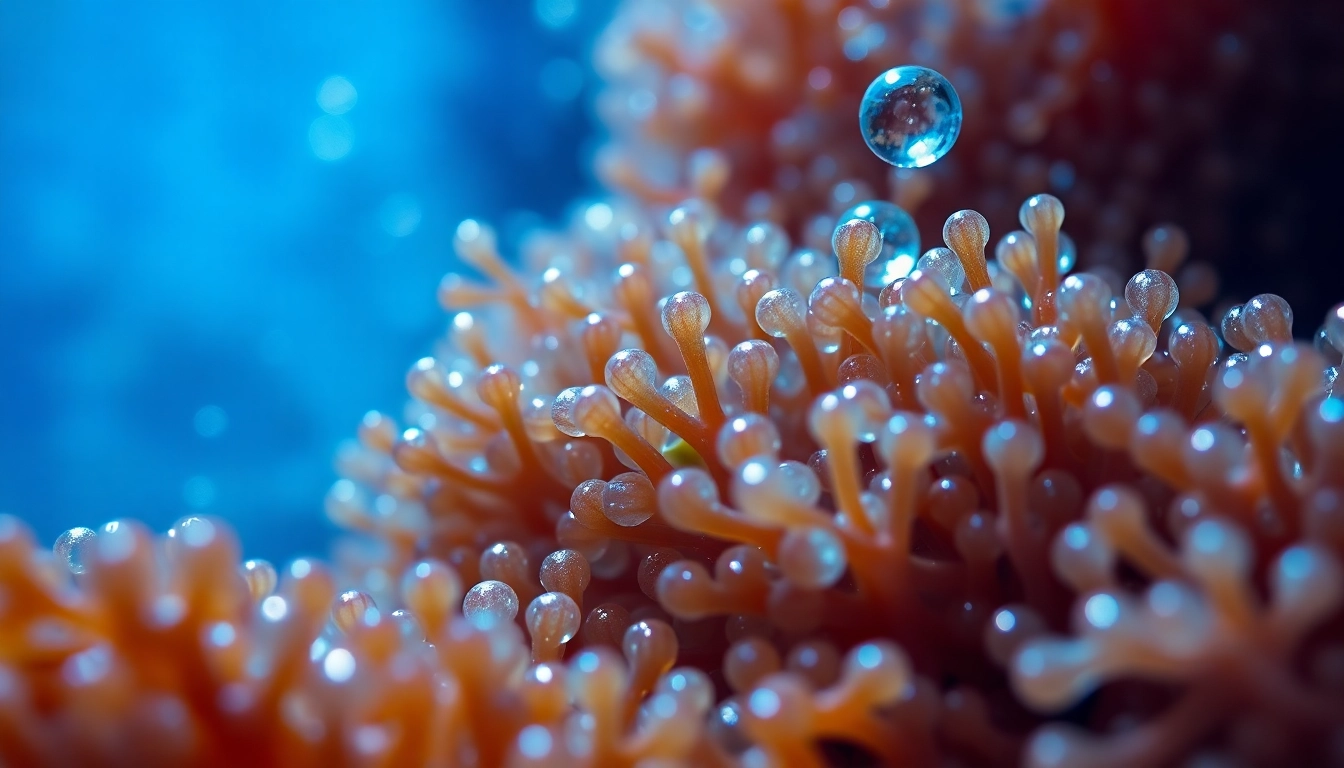
Astaxanthin belongs to a family of pigments known as carotenoids, which are responsible for the red, pink, and orange hues found in various organisms, including salmon, shrimp, and flamingos. This pigment is primarily produced by the microalga Haematococcus pluvialis, known for its high concentration of astaxanthin compared to other sources. The alga produces astaxanthin as a protective mechanism against harmful UV rays and environmental stress, which preserves its cellular integrity.
Health Benefits of Premium Astaxanthin
The potential health benefits of premium astaxanthin are extensive and have been supported by various scientific studies. Some of the most notable advantages include:
- Anti-inflammatory properties: Astaxanthin may help reduce inflammation in the body, which is linked to chronic diseases such as heart disease and arthritis.
- Skin health: Research suggests that astaxanthin can improve skin elasticity, reduce the appearance of fine lines, and protect against UV damage.
- Eye health: This antioxidant can help alleviate eye fatigue and protect against age-related macular degeneration.
- Enhanced athletic performance: Studies indicate that astaxanthin may improve endurance and recovery times, making it a popular supplement among athletes.
- Immune support: Regular intake of astaxanthin may boost the immune system by promoting the production of antibody-forming cells.
Comparing Astaxanthin with Other Antioxidants
While there are many antioxidants in the market, astaxanthin stands out due to its unique structure, which allows it to cross cell membranes more effectively than other antioxidants like vitamin C and vitamin E. This superior bioavailability means that astaxanthin can exert antioxidant effects in various parts of the body, including the brain, eyes, and skin. Additionally, astaxanthin is often described as having a “superior” antioxidant capacity, being up to 6000 times more potent than vitamin C in scavenging free radicals.
Choosing Quality Astaxanthin Supplements
With a growing interest in astaxanthin, the supplement market has become flooded with products, making it crucial to identify quality options. When searching for the best astaxanthin supplements, consider the following factors:
Key Factors in Identifying Quality
To ensure you are selecting a premium astaxanthin product, look for the following characteristics:
- Source: The best astaxanthin is derived from Haematococcus pluvialis algae. Check labels to confirm this source.
- Extraction method: Ethanol extraction is generally preferred over chemical solvents, as it preserves the integrity and potency of astaxanthin.
- Formulation: Examine whether the product contains other synergistic nutrients like omega-3 fatty acids or other antioxidants to enhance absorption and efficacy.
- Certifications: Look for third-party testing and certifications to ensure purity and potency, confirming that the product meets safety standards.
Top Brands in 2026: What to Look For
As of 2026, several brands have established themselves as leaders in the astaxanthin market. Brands worth considering include:
- AstaDaily: Known for its high-quality extraction methods and commitment to sustainable sourcing.
- BioAstin: Offers a well-regarded line of astaxanthin supplements backed by research and customer testimonials.
- Nutrex Hawaii: Focuses on the purity and potency of their astaxanthin sourced from Hawaiian algae.
Price vs. Quality: Finding the Best Value
While price can be a significant factor when selecting supplements, it should not be the only consideration. Premium astaxanthin products often come with a higher price tag due to their sourcing and extraction methods. Investing in a quality product can lead to better health outcomes, making it essential to find a balance between price and quality. It’s advisable to read reviews and compare ingredients before purchasing.
Incorporating Astaxanthin into Your Diet
Integrating astaxanthin-rich foods into your diet can enhance overall antioxidant intake. Here are some practical tips on how to consume this powerful nutrient effectively:
Best Ways to Consume Astaxanthin
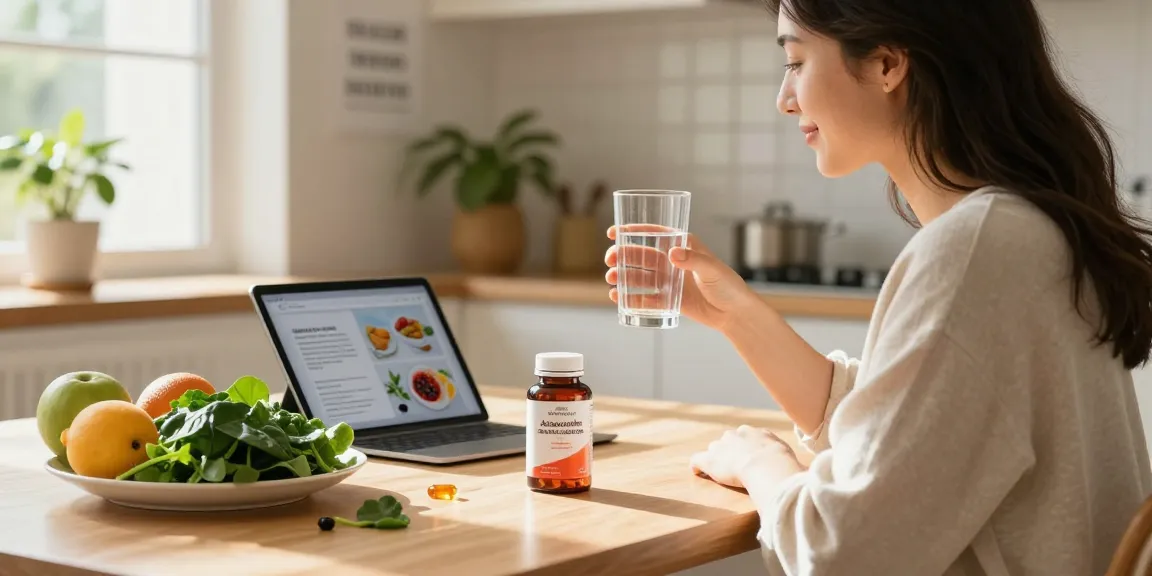
One of the simplest ways to include astaxanthin in your diet is through supplementation. However, you can also achieve some benefits from natural sources:
- Seafood: Salmon, trout, and shrimp are excellent sources of astaxanthin.
- Algae supplements: Algal oil supplements derived from Haematococcus pluvialis are widely available and provide concentrated doses.
Recipes Featuring Astaxanthin-rich Foods
Cooking with astaxanthin-rich ingredients can be both fun and nutritious. Here are a couple of recipes to consider:
- Salmon Salad: Mix grilled salmon with greens, cherry tomatoes, and a squeeze of lemon for a refreshing dish.
- Shrimp Stir Fry: Sauté shrimp with colorful vegetables and serve over brown rice for a delicious, antioxidant-packed meal.
Common Dietary Mistakes with Astaxanthin
Many individuals overlook the importance of dietary fat in absorbing astaxanthin effectively. Because astaxanthin is a fat-soluble nutrient, consuming it with healthy fats, such as olive oil or avocado, can significantly improve its absorption. Avoid consuming astaxanthin supplements or foods rich in astaxanthin on an empty stomach to maximize benefits.
Potential Side Effects and Considerations
While astaxanthin is generally considered safe for most individuals, understanding its potential side effects and considerations is crucial.
Understanding Safety and Dosage Recommendations
The typical dose of astaxanthin for health benefits ranges from 4 to 12 mg per day, depending on the individual's needs and the product's concentration. It's essential to consult with a healthcare provider before beginning supplementation, especially for pregnant or nursing women and those with underlying health conditions.
Who Should Avoid Astaxanthin?
Individuals who are allergic to seafood should approach astaxanthin supplements with caution, particularly those derived from marine sources. Additionally, those on blood thinners or medications that affect blood clotting should consult their healthcare provider to avoid any potential interactions.
Common Myths Debunked About Astaxanthin
There are several misconceptions about astaxanthin that should be addressed:
- Myth: Astaxanthin is only for athletes. Fact: While beneficial for athletes, astaxanthin's health benefits extend to anyone seeking to improve their overall well-being.
- Myth: All antioxidants are the same. Fact: Different antioxidants have varying mechanisms of action, and astaxanthin's unique structure provides distinct advantages over others.
The Future of Astaxanthin in Health and Wellness
As research continues to unfold, the future of astaxanthin looks promising. Here are some emerging trends and forecasts for its applications in health and wellness:
Emerging Trends for Astaxanthin Uses in 2026
In the coming years, we can expect to see an increase in astaxanthin's use as a functional ingredient in food and beverages, particularly in products targeted at wellness and longevity. Additionally, astaxanthin is likely to gain traction in skincare formulations as a natural way to combat skin aging.
Predictions for Astaxanthin Research and Developments
Ongoing research is anticipated to uncover even more applications for astaxanthin, particularly in the realms of neuroprotection and metabolic health. Studies exploring astaxanthin's effects on brain health may lead to breakthroughs in counteracting neurodegenerative diseases.
How Astaxanthin Fits into Holistic Health Approaches
Astaxanthin's incorporation into a holistic health regimen can enhance overall wellness, particularly when combined with a balanced diet and regular physical activity. As more practitioners recognize its potential benefits, it is expected to become a staple in integrative health practices.
What Are the Long-Term Benefits of Premium Astaxanthin?
Long-term use of premium astaxanthin may contribute to a reduced risk of chronic diseases, enhanced mental clarity, and improved skin health. As individuals continue to adopt preventive health measures, astaxanthin's role as a daily supplement could expand.
Why is Astaxanthin Gaining Popularity?
Astaxanthin is becoming increasingly popular due to its potent antioxidant properties and growing public awareness regarding the importance of proactive health measures. As consumers look for effective, science-backed supplements, astaxanthin stands out as a natural solution for various health concerns.