Understanding Electric Vehicle Technology and Innovations
The automotive industry is undergoing an unprecedented transformation, primarily driven by advancements in electric vehicle (EV) technology. One of the essential components fueling this change is bro138, a cutting-edge technology that enhances electric vehicles' functionality and performance. As climate change concerns grow and the demand for eco-friendly transportation increases, understanding these innovations becomes crucial for manufacturers, mechanics, and consumers alike.
What is bro138 and its Role in Automotive Industry?
bro138 represents a significant technological innovation within the electric vehicle sector, focusing on optimizing battery management systems (BMS). This technology allows for more efficient energy usage, extended battery life, and improved overall vehicle performance. By enabling precise monitoring and control of battery conditions, bro138 enhances the reliability of electric vehicles, making them more appealing to consumers.
Moreover, bro138 integrates seamlessly with other automotive technologies, promoting interoperability and enhancing user experience. It acts as a bridge between traditional automotive systems and the electrified components, ensuring smooth operation and reducing the learning curve for mechanics transitioning to EV maintenance.
Recent Advancements in Electric Vehicle Tech
- Battery Technology: Innovations in lithium-silicon batteries have significantly improved energy density, allowing electric vehicles to travel longer distances on a single charge. This advancement addresses one of the critical concerns for potential EV buyers – range anxiety.
- Charging Infrastructure: Rapid advancements in charging technology, such as ultra-fast chargers, are mitigating long charging times, making EVs more convenient for everyday use. Companies are also developing smart charging solutions that optimize energy usage based on demand and grid conditions.
- Autonomous Driving: The integration of sophisticated AI algorithms and sensor technologies is paving the way for fully autonomous vehicles. This step not only enhances safety but also promotes a shift in how vehicles are maintained and serviced.
Key Benefits of Adopting Electric Vehicles Today
Switching to electric vehicles comes with numerous advantages. One of the prominent benefits is environmental sustainability. EVs produce zero tailpipe emissions, contributing significantly to reducing urban air pollution. Furthermore, they offer operational cost savings, as electricity is generally cheaper than gasoline, and EVs require less maintenance due to fewer moving parts.
Beyond financial savings and sustainability, electric vehicles often come equipped with modern technology that enhances the driving experience. Features like advanced driver-assistance systems (ADAS) and connectivity options keep drivers safer and more engaged.
Challenges in Electric Vehicle Maintenance
Despite the numerous advantages of electric vehicles, there are several challenges associated with their maintenance that both workshop owners and mechanics need to address. Understanding these challenges is imperative for ensuring that the transition to EVs is successful and sustainable.
Common Misconceptions about Electric Vehicle Repairs
Many consumers and even some automotive professionals hold misconceptions regarding electric vehicle repairs. For instance, some believe that EVs are entirely maintenance-free; however, while they do require less frequent maintenance than internal combustion engine vehicles, they are not devoid of it. Regular checks on the battery, electric drive system, and software updates are crucial.
Another common misconception is that repairs on electric vehicles are prohibitively expensive. While certain components, like batteries, can be costly, many repairs can be handled at a fraction of the cost due to the reduced complexity of EV systems.
Obstacles Facing Mechanics in Transitioning to EV Maintenance
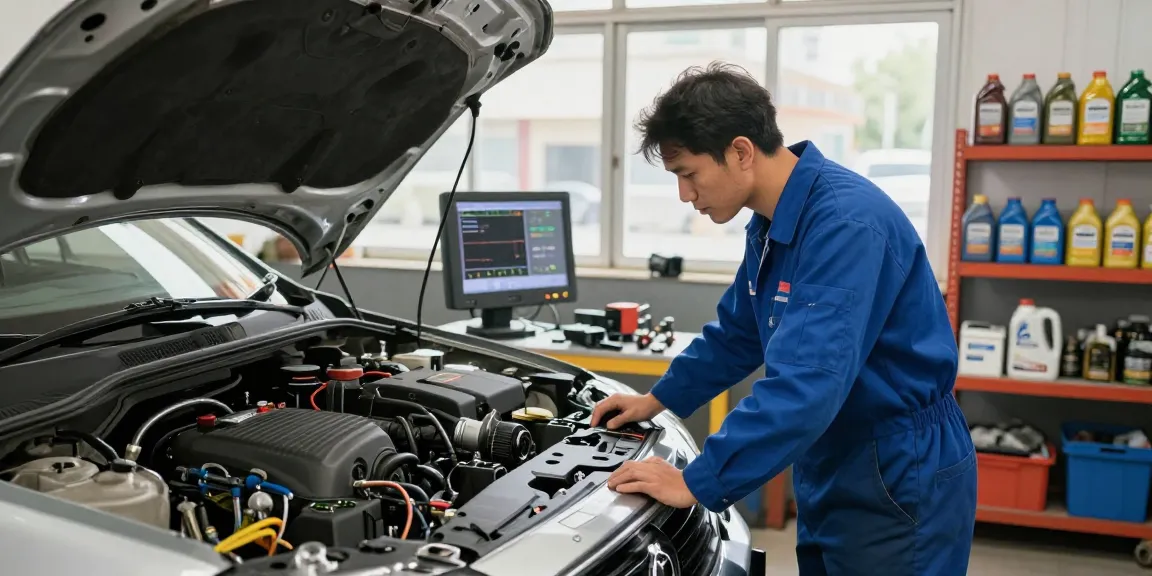
As the automotive industry pivots towards electric vehicles, mechanics must adapt to new technologies and methodologies. One prominent obstacle is the lack of training and expertise in handling high-voltage systems safely. Many traditional auto repair shops may not have the necessary tools or knowledge to work on electric vehicles.
Additionally, the shift in consumer patterns means that mechanics who are slow to adopt EV training may lose customers to competitors who are well-prepared to service these vehicles. Therefore, making investments in both training and tools is essential for workshops looking to remain competitive.
Best Practices for Troubleshooting Electric Vehicle Issues
To effectively address maintenance issues for electric vehicles, mechanics should follow best practices tailored to EV technology:
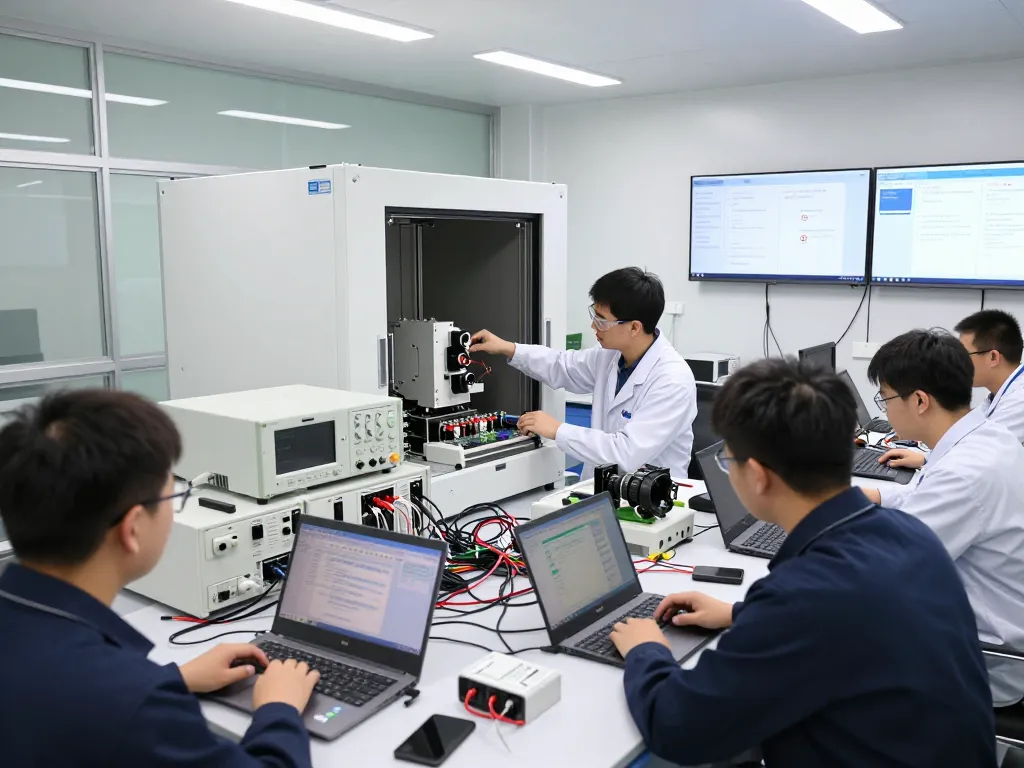
- Stay Updated: Regularly participating in EV training programs can help mechanics stay informed about the latest technologies and maintenance techniques.
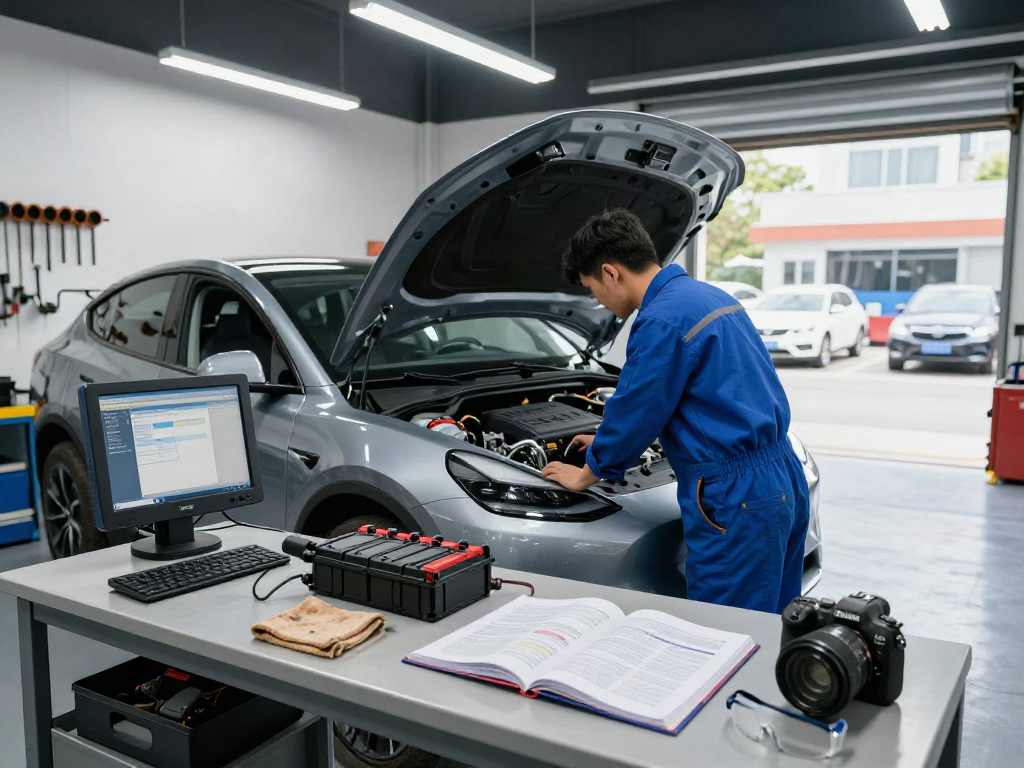
- Utilize Specialized Tools: Investing in diagnostic tools specific to electric vehicles can facilitate accurate troubleshooting, ensuring a quicker turnaround time for repairs.
- Engage with the Community: Joining online forums and attending seminars can provide valuable insights from industry experts and network with peers.
Integrating bro138 into Your Workshop Processes
With the growing reliance on technologies like bro138, workshops must adapt their processes to integrate these innovations effectively. Understanding how to incorporate bro138 into daily operations can enhance productivity and service quality.
Essential Tools and Software for Electric Vehicle Maintenance
To keep pace with the evolving landscape of electric vehicle maintenance, workshops need to equip themselves with specific tools and software. Essential tools include:
- Diagnostic Equipment: Tools capable of interpreting data from EV components, including battery monitoring systems.
- Voltage Safety Gear: Personal protective equipment to ensure safety when working with high-voltage systems.
- Software Solutions: Platforms for managing service records and scheduling maintenance tasks efficiently.
Training Mechanics on New Technologies
Educating mechanics about the new technologies associated with electric vehicles is critical. Workshops should prioritize training sessions focusing on:
- High-Voltage Safety: Training on the safe handling of high-voltage systems and components is paramount.
- Battery Management Systems: Understanding how to work with systems like bro138 ensures mechanics can leverage the full capabilities of electric vehicles.
- Software Updates: Mechanics need to be familiar with performing software updates and troubleshooting software-related issues.
Streamlining Workflow with Innovative Techniques
Streamlining the workflow in automotive workshops that service electric vehicles can enhance efficiency and improve customer satisfaction. Techniques for this include:
- Implementing a Work Order System: This system can help manage tasks effectively and track progress on repairs.
- Utilizing Inventory Management Software: Keeping track of parts and tools ensures that the necessary components are always on hand, reducing downtime.
- Adopting Lean Principles: Embracing lean methodologies can help reduce waste and optimize processes.
Real-world Applications of bro138 in Automotive Workshops
The integration of bro138 technology has already begun reshaping how automotive workshops operate and service electric vehicles. Its real-world applications highlight significant improvements in service efficiency and quality.
Case Studies: Successful Transitioning to Electric Vehicle Services
Numerous automotive workshops have successfully embraced electric vehicle services by implementing bro138 technology. For example, a workshop in California reported a 30% increase in service efficiency after integrating advanced diagnostic tools powered by bro138, enabling faster troubleshooting and repairs.
Another case revealed a workshop in New York that transitioned to 90% electric vehicle service within two years, largely due to their investment in training and technology such as bro138. This transition not only improved their bottom line but also attracted environmentally conscious customers.
Metrics for Measuring Success in EV Maintenance
To gauge the success of electric vehicle maintenance services, workshops should monitor key performance indicators (KPIs), including:
- Customer Satisfaction Scores: Regularly collecting feedback from customers to enhance service quality.
- Average Repair Time: Tracking the time taken to complete repairs can help identify bottlenecks.
- Return Rates: Monitoring the number of customers returning for additional services can indicate the effectiveness of repairs.
Customer Experience and Satisfaction in Electric Vehicle Services
Providing a remarkable customer experience is essential for the success of any workshop. Electrical vehicle services should focus on:
- Transparency: Keeping customers informed about the service process and costs can build trust.
- Personalized Services: Tailoring services to meet individual customer needs enhances satisfaction.
- Post-Service Follow-Up: Engaging with customers after their service appointments can demonstrate care and commitment to quality.
Future Trends in Automotive Maintenance and Technology
As we look ahead, the automotive maintenance landscape is likely to continue evolving alongside advancements in electric vehicle technology. Staying informed about upcoming trends will be crucial for workshops aiming to thrive in this changing environment.
Predictions for the Automotive Industry Beyond 2026
Experts predict that by 2026, electric vehicles will dominate new car sales in various markets. This shift will necessitate significant changes in how automotive workshops approach maintenance and repair processes. Traditional vehicles will still be present, but the rapid growth of the EV segment will require workshops to adapt quickly.
Emerging Technologies Impacting Electric Vehicle Maintenance
Technological advancements such as AI-driven diagnostics, remote monitoring systems, and predictive maintenance tools are poised to revolutionize electric vehicle servicing. The adoption of these technologies will enable workshops to offer proactive maintenance solutions, reducing the likelihood of breakdowns and improving customer satisfaction.
Preparing for Changes in Consumer Preferences
As consumers increasingly prioritize sustainability and technology, workshops must prepare for shifting preferences. Offering eco-friendly services and educating customers on the benefits of electric vehicles can help workshops align with this trend.
What are the Top 5 Upcoming Trends in Automotive Maintenance?
- 1. Increased Digitalization: Workshops will adopt more digital tools for diagnostics and customer management.
- 2. Focus on Sustainability: Eco-friendly practices will become a standard expectation among consumers.
- 3. Remote Services: Convenience-driven consumers will seek workshops offering remote diagnosis and service scheduling options.
- 4. Enhanced Customer Engagement: Workshops will leverage technology to improve communication and engagement with customers.
- 5. Greater Integration of Autonomous Technologies: As autonomous vehicles become prevalent, workshops will need to adapt their services to these advanced systems.
How can Electric Vehicles Influence Workshop Profitability?
Embracing electric vehicles can significantly enhance workshop profitability. With the rise in EV adoption, workshops that equip themselves with the necessary tools and training can attract a new customer base. Additionally, EVs often require software updates and repairs, providing consistent revenue streams beyond traditional oil changes and brake repairs.
Why is Continuous Learning Essential in Vehicle Maintenance?
The pace of technological change in the automotive industry means that continuous learning is vital for mechanics. Regular training and updates on new technologies, like bro138, not only enhance service quality but also help mechanics stay relevant in an evolving market.