Understanding Precision CNC Machining
Precision CNC machining is a cornerstone of modern manufacturing, enabling the creation of highly accurate and intricate parts across various industries. This advanced process employs computer numerical control (CNC) technology, which automates the tooling and machining of materials, leading to enhanced precision and efficiency. As industries continue to evolve, the demand for precision cnc machining supplier is on the rise, necessitating a deeper understanding of the nuances involved in this critical field.
What is Precision CNC Machining?
At its core, precision CNC machining involves the use of computer-driven machines to manufacture parts from materials like metals, plastics, and composites. The "precision" aspect refers to the tight tolerances that can be achieved, often within fractions of a millimeter. This level of accuracy is essential for applications requiring reliable performance, such as aerospace, automotive, and medical device manufacturing.
Key Technologies in CNC Machining
Several technologies underpin the effectiveness of CNC machining, including:
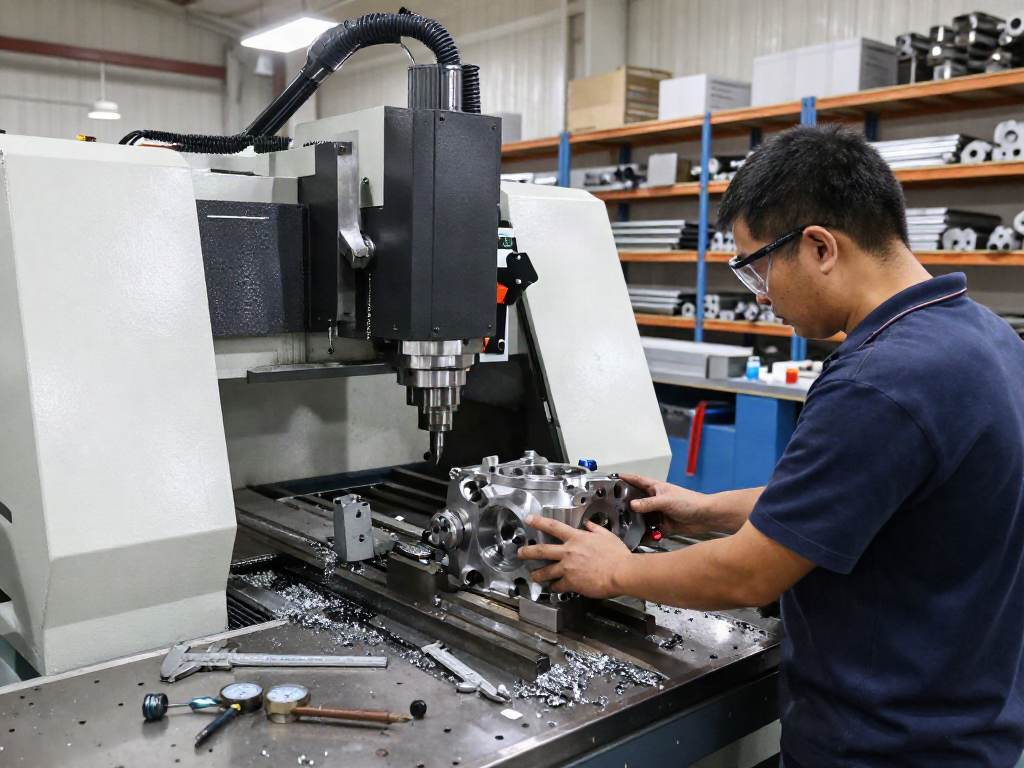
- CNC Milling: This technology uses rotating cutting tools to remove material from a stationary workpiece, ideal for producing complex shapes and surfaces.
- CNC Turning: In this method, the material rotates against a cutting tool to create cylindrical parts, commonly used for shafts and fittings.
- 3D Printing: An increasingly popular complement to traditional machining, 3D printing allows for the additive manufacturing of components, reducing waste and enabling rapid prototyping.
- Wire EDM: Electrical Discharge Machining (EDM) uses electrical sparks to cut through conductive materials, which is perfect for creating intricate details in hard metals.
Applications of Precision Machining in Industry
The versatility of precision CNC machining allows it to be utilized across a multitude of industries:
- Aerospace: Components produced for aircraft and spacecraft must meet strict tolerances to ensure safety and functionality.
- Healthcare: Surgical instruments and medical devices, often requiring intricate designs, benefit greatly from precise machining.
- Automotive: High-performance vehicles rely on precision machining for engine parts, chassis components, and more.
- Electronics: Precision parts are essential for devices, including circuit boards and housings, where accuracy is vital to performance.
Finding the Right Precision CNC Machining Supplier
Choosing the right supplier for precision CNC machining services is crucial for ensuring the quality of the final products. A knowledgeable supplier can provide valuable insights into machining processes, materials, and part design, thus reducing the overall lead time and costs for projects.
Evaluating Supplier Capabilities and Certifications
Before partnering with a CNC machining supplier, it is essential to evaluate their capabilities and certifications. Look for suppliers who adhere to international standards such as ISO 9001, which indicates a commitment to quality management systems. Additionally, review their portfolio to gauge their experience with similar projects and industries.
Top Qualities to Look for in a Supplier
When selecting a precision CNC machining supplier, consider the following key qualities:
- Experience: A supplier with substantial industry experience is likely to understand the nuances of precise machining.
- Technology: Suppliers should invest in up-to-date machinery and software to ensure optimal precision and efficiency.
- Customer Support: Reliable customer service that can address inquiries and concerns promptly is an invaluable asset.
- Flexibility: The capability to handle custom projects or adapt to changing specifications is essential in a dynamic manufacturing environment.
Understanding Supplier Pricing Models
Pricing can vary significantly among CNC machining suppliers based on factors such as material costs, machine time, and complexity of the part. Understanding the different pricing models, which can include fixed pricing, hourly rates, or per-part costs, is key to budgeting effectively for your projects. Transparency in pricing is vital; therefore, ensure you discuss all potential costs upfront to avoid surprises later in the manufacturing process.
Common Challenges in CNC Machining
Despite its advantages, precision CNC machining comes with several challenges that suppliers and manufacturers must navigate. Identifying these challenges can help in strategizing effective solutions and optimizing production workflows.
Addressing Tolerances and Quality Control Issues
Maintaining tight tolerances is one of the hallmarks of precision CNC machining. However, achieving these tolerances consistently can challenge due to variances in machine wear, changes in tooling, and material properties. Implementing rigorous quality control processes such as statistical process control (SPC) can help identify and mitigate defects early in production.
Managing Production Times and Costs
Production times can fluctuate based on workload, machine availability, and the complexity of parts being produced. Effective project management, clear communication with suppliers, and precise planning can minimize delays and manage costs effectively. Tracking time and resources can also help make more informed decisions regarding future projects.
Overcoming Material Limitations in Machining
Certain materials present unique challenges during machining, including hard-to-machine alloys or materials that tend to warp under heat. Understanding the material properties and choosing appropriate machining strategies, such as the use of specialized tooling or coolant, can effectively overcome these limitations. Additionally, ongoing material research could pave the way for new solutions.
Best Practices for Precision CNC Machining
To maximize the benefits of CNC machining, companies should adopt best practices that enhance productivity, quality, and end results.
Implementing Effective Workflow Strategies
Streamlining workflows involves analyzing every stage of the machining process, from design to delivery. Employing lean manufacturing principles can help eliminate waste and improve production efficiency. Regularly reviewing workflows can identify bottlenecks and areas for improvement.
Adopting Advanced Technologies and Software
Investing in advanced technologies such as CAD/CAM software, automation, and IoT-enabled machines can enhance precision and reduce cycle times. These innovations allow for more complex designs to be executed with higher accuracy and speed. Moreover, real-time data collection and analysis can lead to smarter decision-making on the shop floor.
Enhancing Communication with Your CNC Supplier
Establishing clear lines of communication with your CNC machining supplier is vital to the success of your project. Regular updates, feedback loops, and collaborative planning can lead to better alignment on goals, timelines, and expectations. Building a strong relationship with your supplier can lead to more customized solutions that cater to your specific needs.
Future Trends in Precision CNC Machining
The landscape of precision CNC machining is continually evolving, influenced by advancements in technology, changing market needs, and sustainability concerns. Staying ahead of these trends can provide businesses with a competitive edge in a fast-paced industry.
Emerging Technologies to Watch in 2026
As we look toward the future, several technologies show promise in revolutionizing CNC machining:
- Artificial Intelligence: AI can optimize machining operations, improve predictive maintenance, and manage supply chains more efficiently.
- 5G Connectivity: Enhanced connectivity can support real-time monitoring of machines, enabling more responsive adjustments and efficiency tracking.
- Additive Manufacturing Integration: The fusion of CNC machining with additive manufacturing could allow for more complex geometries and reduced material waste.
Shifting Market Demands and Their Impact
The shift toward customized and small-batch production is reshaping the precision machining landscape. Companies are increasingly looking for suppliers that can offer flexibility and rapid response times. This demand will likely push suppliers to adopt more modular production techniques and invest in adaptable machines.
How Sustainability is Shaping CNC Machining
Sustainability is becoming a critical consideration in manufacturing, including precision CNC machining. Companies are increasingly seeking suppliers who are committed to environmentally friendly practices, such as reducing waste, recycling materials, and minimizing energy consumption. Incorporating sustainable practices can not only enhance a company's reputation but also attract eco-conscious clients.
What are the typical lead times for precision CNC machining?
Lead times for precision CNC machining can vary based on the complexity of the parts, the materials used, and the supplier's capacity. On average, lead times can range from a few days for simpler parts to several weeks for complex projects.
How can I ensure quality control with my CNC supplier?
To ensure quality control, establish clear quality standards and monitoring procedures. Regular inspections, audits, and feedback loops can help maintain the desired quality throughout the production process.
What materials are best suited for CNC machining?
Materials commonly used in CNC machining include aluminum, stainless steel, brass, and plastics such as acrylic and polycarbonate. The choice of material often depends on the application's strength requirements, weight considerations, and cost constraints.
Are there specific regulations for CNC machining suppliers?
Yes, CNC machining suppliers must adhere to various regulations, particularly in industries such as aerospace and healthcare, where compliance with standards like AS9100 or ISO13485 is mandatory to ensure safety and quality.
How do I select a CNC machining supplier for large projects?
For large projects, consider suppliers with a proven track record of handling similar scales of work, a comprehensive quality assurance program, and the capacity to scale production as needed. Additionally, assess their communication and project management capabilities to ensure efficient collaboration.