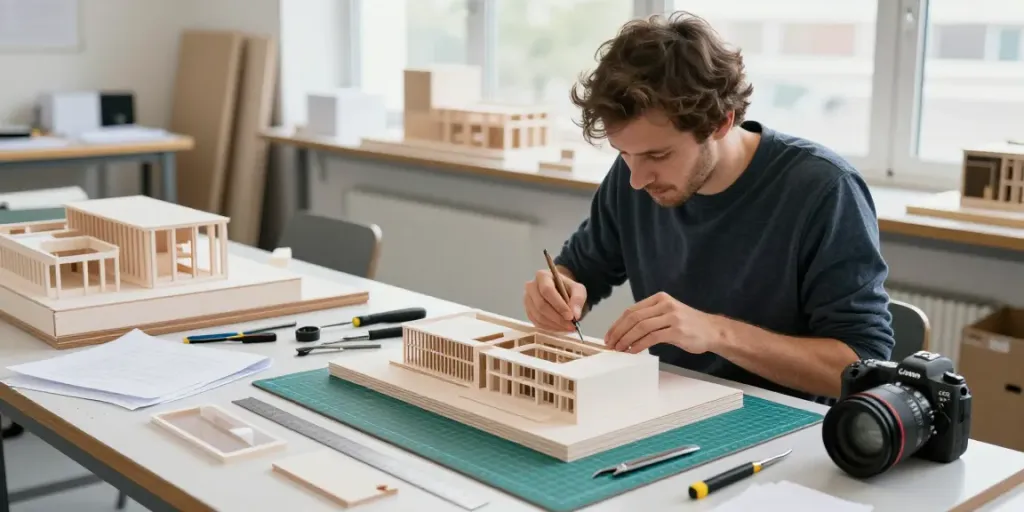
The Critical Role of Architectural Model Making
Architectural model making is a fundamental aspect of the construction and design industries, particularly in the Netherlands. As a vital tool for architects, urban planners, and developers, these models serve to visualize concepts, facilitate communication, and streamline project execution. Models translate complex architectural designs into tangible representations, allowing stakeholders to understand and critically assess the spatial relationships and functionality of proposed structures. When exploring options, Architectural model maker Netherlands provides comprehensive insights into the diversity and intricacies of model making in this region.
Understanding Architectural Models and Their Importance
Architectural models are more than just scaled representations; they are essential for bridging the gap between theory and practice. They enable architects to share their visions with clients and stakeholders, making abstract designs more accessible. In the fast-paced context of modern architecture, where projects often involve multiple disciplines and stakeholders, having a physical model can help prevent misunderstandings and facilitate constructive dialogue.
Key Benefits of Using Architectural Models
- Enhanced Visualization: Models provide a three-dimensional perspective that drawings and digital renderings cannot match, allowing for a more profound understanding of scale and proportion.
- Problem Identification: Early detection of design issues is critical; models can highlight potential flaws or conflicts in the design phase, saving time and resources later.
- Improved Communication: Models help all parties involved to envision the final outcome, ensuring everyone is on the same page.
Challenges in Model Making: What You Need to Know
Despite their many advantages, creating quality architectural models presents several challenges. These include the cost of materials, the time required to produce intricate details, and the need for specialized skills. Furthermore, with the increasing demand for sustainability, model makers must source eco-friendly materials and methods, adding another layer of complexity to the process.
Diverse Types of Architectural Models
In the Netherlands, the diversity of architectural models reflects the variety of applications they serve. Different types of models are tailored for unique purposes, and understanding these can help stakeholders choose the right approach for their projects.
Industrial Models: Tailoring Solutions for Complex Structures
Industrial models are used to represent various processes and facilities, such as factories or power plants. These models are particularly useful during the planning stages, enabling engineers and architects to visualize operations, workflow, and spatial configurations. They are also effective tools at trade shows, where they can attract potential investors by showcasing technical details in an engaging manner.
Urban Planning Models: Visualizing City Landscapes
Urban planning models are typically large-scale representations that depict neighborhoods or entire cities. They are critical for urban planners and real estate developers as they provide a detailed view of proposed developments, allowing for the analysis and optimization of urban structures. These models often incorporate zoning regulations, transportation networks, and public spaces, offering a comprehensive perspective on urban integration.
Environmental and Competition Models: Contextual Relevance
Environmental models play a vital role in understanding how new structures will fit into their surroundings. These models often include detailed elements like neighboring buildings, landscapes, and infrastructure to evaluate potential impacts. Meanwhile, competition models are created for architectural contests, requiring high levels of detail and precision to ensure that they meet the rigorous standards set by judges.
The Model Making Process Explained
The process of creating architectural models involves several steps and techniques, each contributing to the final product's quality and effectiveness. Understanding this process is essential for anyone looking to engage in architectural model making.
Materials and Techniques Used in Model Making
Architectural models can be constructed from various materials, including plastics, wood, foam, and metal, each selected based on the model's purpose. The use of eco-friendly materials is increasingly popular, aligning with sustainability efforts in the architecture sector.
Step-by-Step Guide to Creating Effective Models
- Design Phase: Start with sketches and digital designs to ensure clarity of vision.
- Material Selection: Choose appropriate materials based on durability, cost, and environmental impact.
- Construction: Fabricate the model using precision tools and techniques to ensure accuracy.
- Finishing Touches: Add details such as landscaping or interior elements to enhance realism.
Quality Control and Best Practices in Model Production
Quality is paramount in architectural model making. Implementing best practices, such as regular checks during construction and thorough reviews before presentation, can ensure models meet the highest standards, ultimately instilling confidence in clients and stakeholders.
Innovations Shaping the Future of Architectural Model Making
The field of architectural model making is continually evolving, driven by technological advancements and shifts in client expectations. Keeping abreast of these innovations is crucial for model makers to remain competitive.
The Impact of Virtual and Augmented Reality
Virtual Reality (VR) and Augmented Reality (AR) are revolutionizing architectural model presentations. These technologies allow stakeholders to visualize and interact with models in a virtual space, offering a more immersive experience than traditional models can provide. Clients can navigate through designs, visualize different scenarios, and make informed decisions before the actual construction begins.
Sustainability Trends in Architectural Model Production
With increasing awareness of environmental issues, the architectural model making industry is adapting by using sustainable materials and processes. Companies are prioritizing eco-friendly options, ensuring that their models not only represent innovative design but also promote environmentally responsible practices.
Customization and Integration of Smart Technologies
As clients demand more tailored solutions, customization in architectural model making is gaining traction. Model makers in the Netherlands are increasingly offering bespoke services that cater to specific client needs. Additionally, integrating smart technologies—such as sensors and lighting—into models can demonstrate the functionality of proposed designs, showcasing features like energy efficiency and automation.
Conclusion: The Future of Architectural Model Making in the Netherlands
The future of architectural model making in the Netherlands is bright, fueled by technological advancements and an ever-expanding scope of applications. As the industry adapts to new materials, sustainable practices, and client expectations, it remains a crucial component of architecture and urban planning.
Adapting to Trends and Client Needs
For architectural model makers, staying current with trends is vital. By recognizing shifts in technology and client preferences, companies can innovate their offerings, ensuring they remain competitive in a rapidly evolving market.
Building Trust with Clients Through Quality Models
High-quality models are essential in establishing trust and credibility. When clients can see their visions realized through detailed and accurate models, they are more likely to invest in the final project, leading to successful collaborations.
Final Thoughts on the Importance of Model Making
Architectural model making is indispensable in the contemporary architectural landscape. With its ability to convey complex ideas in an accessible format, it continues to influence decision-making processes and project outcomes.
How to Choose the Right Architectural Model Maker?
When selecting an architectural model maker, consider their experience, portfolio, and specialization. Look for a company that understands your project's unique needs and can deliver high-quality models within your timeframe and budget.
What Are the Costs Associated with Architectural Models?
Costs can vary widely depending on materials, scale, and complexity. It’s essential to communicate your budget and requirements clearly, allowing the model maker to provide a realistic estimate that aligns with your expectations.
How Does Technology Impact Model Making Today?
Technology plays a central role in modern architectural model making, influencing design, construction, and presentation. Innovations such as 3D printing, VR, and AR have transformed traditional practices, enhancing the quality and efficiency of model production.
What Materials Are Commonly Used in Architectural Models?
Common materials include wood, acrylic, cardstock, and environmentally friendly options like recycled plastics. The choice of material often depends on the intended use of the model and the required level of detail.
Why Are Models Vital for Real Estate Developers?
For real estate developers, models are crucial marketing tools. They provide potential buyers with a tangible representation of projects, helping to illustrate the design and features, ultimately facilitating sales and investment.