
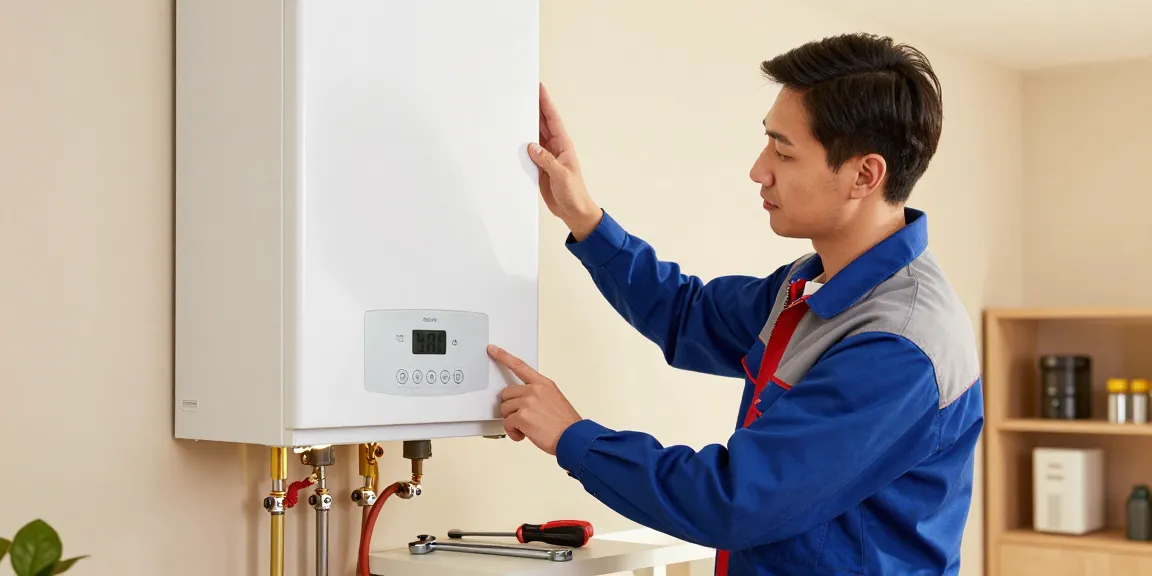
Understanding the Role of a Heating Engineer in Bedford
Heating engineers play a vital role in ensuring that homes and businesses are properly heated, providing comfort and safety during the cold months. In Bedford, where the winters can be chilly, having a reliable heating system is essential. A skilled heating engineer in Bedford not only installs but also maintains and repairs heating systems to keep them running efficiently.
Key Responsibilities of Heating Engineers
Heating engineers are responsible for a variety of tasks that ensure heating systems function correctly and efficiently. Their key responsibilities include:
- Installing heating systems such as boilers, radiators, and underfloor heating.
- Conducting regular inspections and maintenance on existing systems.
- Diagnosing and repairing faults in heating equipment.
- Upgrading systems to improve energy efficiency and compliance with regulations.
- Advising customers on the best heating solutions for their properties.
Importance of Certification and Training
Proper certification and training are crucial for heating engineers to adhere to safety standards and regulations in Bedford. Qualified engineers must be registered with recognized bodies, such as Gas Safe, which ensures they are competent to work with gas appliances. Continuous professional development is also essential, as it keeps engineers informed about the latest technologies and safety protocols.
Challenges Unique to Heating Engineers in Bedford
Heating engineers in Bedford face a range of challenges, including:
- Adapting to the region’s varying building styles and older properties, which require specialized knowledge.
- Dealing with weather-related issues that can delay projects or affect system performance.
- Responding to the growing demand for eco-friendly and energy-efficient heating solutions.
Choosing the Right Heating Engineer for Your Needs
When it comes to selecting a heating engineer, homeowners should consider various factors to ensure they hire the right professional for the job. A well-chosen heating engineer can make a significant difference in the installation and maintenance of heating systems.
What to Look for in a Heating Engineer in Bedford
Here are some essential qualifications and traits to look for when hiring a heating engineer:
- Accreditation and licensing from relevant bodies.
- Experience and a proven track record in the local area.
- Positive customer reviews and testimonials.
- Transparency in pricing and services offered.
- Strong communication skills and willingness to answer questions.
Cost Factors and Pricing Guidelines
Understanding the cost factors involved in hiring a heating engineer is vital for homeowners. Prices can vary based on:
- The complexity of the job.
- Time required for installation or repairs.
- Materials and equipment needed.
- Market demand and the engineer’s experience.
On average, homeowners in Bedford can expect to pay anywhere from £50 to £100 per hour for heating engineering services, depending on the above factors.
Customer Reviews and Testimonials: Why They Matter
Customer reviews and testimonials provide valuable insight into an engineer’s reliability and quality of work. Positive feedback can give homeowners peace of mind when choosing a heating engineer, while negative comments may raise red flags. Always check reviews on independent platforms to get an honest perspective.
Best Practices for Heating System Maintenance
Regular maintenance of heating systems is essential for ensuring optimal performance and longevity. Here are some best practices for maintaining your heating system:
Regular Inspections and Servicing Tips
Schedule annual inspections with a qualified heating engineer to check for issues such as:
- System leaks or corrosion.
- Airflow blockages in ducts and vents.
- Thermostat calibration.
Regular servicing can help identify problems early and save homeowners money on significant repairs.
DIY Maintenance Tasks for Homeowners
Homeowners can also perform simple maintenance tasks to keep their systems running smoothly, including:
- Changing air filters regularly.
- Cleaning radiator surfaces and vents.
- Bleeding radiators to remove trapped air.
Common Misconceptions About Heating Systems
There are several misconceptions about heating systems that can lead to inefficiencies or costly mistakes. Some of these include:
- Thinking that turning the thermostat up higher will heat the space faster.
- Believing that older systems are always cheaper to run.
- Assuming that regular maintenance isn’t necessary if the system seems to be working well.
Innovations in Heating Technology for 2026
The heating industry is continually evolving, with new technologies emerging that improve efficiency and reduce environmental impact. Understanding these innovations can help homeowners make informed decisions regarding their heating systems.
Smart Heating Systems and Their Benefits
Smart heating systems are becoming increasingly popular, allowing homeowners to control their heating remotely via smartphones or tablets. Benefits include:
- Increased energy efficiency through programmable schedules.
- Real-time monitoring and alerts for maintenance needs.
- Enhanced comfort by adjusting settings based on occupancy.
Energy Efficiency Trends in Heating Solutions
As energy regulations become stricter, heating solutions are also improving in energy efficiency. Some notable trends include:
- Adoption of condensing boilers that can achieve efficiencies above 90%.
- Integration of renewable energy sources, such as solar heating systems.
- Enhanced insulation and smart technologies that reduce heat loss.
Future-Proofing Your Heating System Investments
Homeowners should consider future trends when investing in heating systems. Choosing systems that are compatible with renewable energy sources, for example, can help avoid obsolescence and save on energy costs in the long run.
Understanding Regulations and Safety Standards
Heating engineers in Bedford must comply with various regulations and safety standards to protect homeowners and ensure safe operation of heating systems. Understanding these can help homeowners make informed decisions.
Legal Requirements for Heating Engineers in Bedford
Heating engineers are required to adhere to local and national regulations, which include:
- Registration with Gas Safe for work on gas appliances.
- Following building codes and safety standards.
- Obtaining necessary permits for installations.
Safety Practices and Compliance Checks
Regular compliance checks help maintain safety in heating installations. Engineers should conduct thorough inspections to ensure that all systems meet safety standards, reducing the risk of accidents or failures.
How Regulations Impact Homeowners and Engineers
Regulations not only protect homeowners but also establish a standard for engineers’ work. Homeowners should be aware of these regulations when considering upgrades, maintenance, or new installations.
What Should Homeowners Know About Heating Engineer Qualifications?
Homeowners should verify that their heating engineer holds the necessary qualifications and certifications. This not only ensures quality work but also compliance with safety standards that protect both the homeowner and engineer.
How Can Regular Upgrades Improve Heating Efficiency?
Regular upgrades to heating systems can significantly enhance efficiency. Investing in modern technology can lower energy bills and reduce carbon footprints while providing better comfort levels for households.


