
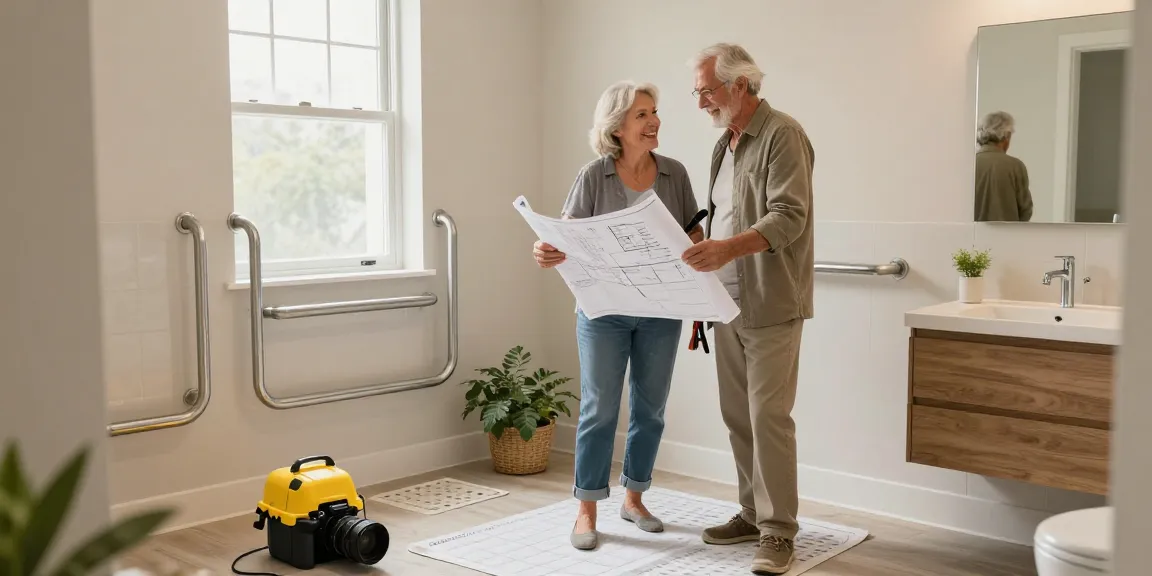
The Importance of 安家SafeHome in Senior Living
As our loved ones age, ensuring their home environment remains safe and accessible becomes paramount. The bathroom, often cited as one of the most hazardous rooms for seniors, poses numerous risks, from slippery floors to difficult-to-use fixtures. With the recent increase in government funding for home safety renovations, now is the ideal time to consider how to enhance the safety of bathrooms for elderly family members. Organizations like 安家SafeHome offer professional expertise in creating safer living spaces through targeted renovations and design consultations.
Understanding Home Safety Needs for Seniors
Ensuring the safety of seniors in their homes requires a thorough understanding of their unique needs. Most elderly individuals face mobility challenges and may have conditions that affect their balance and coordination. Therefore, it’s critical to assess common hazards present in the home environment. Factors such as poor lighting, lack of grip supports, and intricate layouts can significantly elevate the risk of accidents. The primary focus should always be on reducing these risks to create a secure and comfortable space.
Government Assistance Programs for Home Renovation
For families looking to improve home safety for seniors, government programs can provide invaluable financial assistance. In recent years, the funding for home renovation initiatives has risen significantly, offering up to HK$80,000 for making crucial safety upgrades. Understanding eligibility criteria, such as income thresholds and project qualifications, is vital for accessing these funds. Such programs can cover essential modifications like non-slip flooring and grab bars, helping families afford necessary renovations without financial strain.
Common Misconceptions About Bathroom Safety
Many misconceptions exist regarding the safety of bathrooms for elderly occupants that can hinder effective renovations. One common myth is that adding a few grab bars is sufficient to ensure safety. However, complete bathroom safety requires a holistic approach, considering features such as non-slip surfaces, accessible fixtures, and spacious layouts. Moreover, renovations must also integrate the individual needs and preferences of the senior resident to truly enhance their daily living experience.
Key Features of Safe Bathrooms
Non-Slip Flooring and Its Benefits
One of the most effective ways to prevent falls in the bathroom is through the installation of non-slip flooring. This choice significantly reduces the risk of accidents caused by wet, slippery surfaces. Various materials are available, including textured vinyl and slip-resistant tiles, which can effectively meet safety standards while also being aesthetically pleasing. When renovating a bathroom, opting for non-slip flooring is not only a safety measure but also enhances the overall design.
Grab Bars: An Essential Element
Grab bars are a fundamental fixture in any safe bathroom design. These sturdy supports provide stability for seniors as they move in and out of the shower or bath. Proper installation is critical; grab bars should be anchored securely to wall studs rather than merely to drywall. The placement must cater to the user’s height and mobility needs, ensuring they are easily reachable and useful.
Accessible Fixtures for Easier Use
Incorporating accessible fixtures is crucial for improving the usability of bathrooms for seniors. This includes installing comfort-height toilets, handheld showerheads, and lever-style faucets that require less dexterity to operate. Such changes can significantly enhance the efficiency of daily routines while ensuring seniors remain independent in their self-care.
Choosing the Right Renovation Services
Evaluating Different Service Providers
When selecting a renovation service for home modifications, it’s essential to evaluate various providers. Look for companies with experience in senior safety renovations and positive customer testimonials. An ideal contractor should offer a comprehensive safety assessment and work collaboratively with clients to tailor solutions that meet their specific needs.
The Role of Occupational Therapists in Design
Involving occupational therapists (OTs) in the renovation process can dramatically enhance the effectiveness of home modifications. These professionals specialize in assessing the functional needs of seniors and can recommend essential modifications that align with an individual’s physical capabilities and limitations. By integrating OT insights into the design process, families can ensure that safety and usability are prioritized.
Custom Solutions for Unique Needs
Every senior has unique requirements based on their health and lifestyle. Therefore, customization is key in renovation projects. Whether it’s installing a walk-in bathtub for someone with limited mobility or adjusting kitchen heights for easy access, tailored solutions are essential for fostering a safe living environment. Service providers should be willing to work with clients to explore these personalized options thoroughly.
Steps to Execute a Successful Bathroom Renovation
Initial Home Safety Assessments
The first step in any effective renovation is conducting a thorough home safety assessment. This evaluation should identify potential hazards, such as loose rugs, poor lighting, and difficult access points. A complete risk assessment can guide the renovation process, ensuring that all significant safety concerns are addressed.
Designing an Efficient Renovation Plan
After identifying the needs and risks, the next step is to create a robust renovation plan. This blueprint should detail all intended modifications, including timelines, budgets, and materials required. Working closely with renovation specialists ensures that the plan aligns with safety regulations and personal preferences, leading to a successful outcome.
Measuring Success: Safety and Satisfaction
Once the renovation is complete, it’s important to measure its impact. Assess whether safety hazards have been effectively mitigated and if the changes enhance the daily living experience for the senior resident. Obtaining feedback from the user is crucial, as their comfort and satisfaction are the ultimate goals of any home renovation project.
Future Trends in Home Accessibility and Safety
Emerging Technologies for Home Safety
The future of home safety is increasingly leaning towards smart technology integration. Devices such as smart lighting, fall detection sensors, and emergency response systems can provide an added layer of security for seniors living alone. As technology advances, these systems will become more accessible and affordable, making them viable options for families focused on enhancing safety.
Integrating Smart Home Features
Smart home features can automate many tasks that can prove challenging for seniors. Features like automatic door locks, voice-activated lighting systems, and smart thermostats can enhance comfort while providing peace of mind to family members. Planning for such integrations during renovations can create a more efficient and enjoyable home environment.
Anticipating Changes in Government Regulations
As our understanding of senior safety evolves, so too may government regulations surrounding home modifications. Staying informed about any upcoming changes in legislation can help homeowners and renovation companies to remain compliant while also taking advantage of available funding opportunities. Proactive awareness is key to leveraging these resources effectively.
What types of government assistance are available for seniors?
Various government assistance programs exist to support seniors in modifying their homes to improve safety and accessibility. These programs often cover essential renovations, including bathroom upgrades and kitchen adjustments, making them invaluable for families looking to enhance their loved ones’ living conditions.
How can I ensure my bathroom is safe for elderly family members?
To ensure a bathroom is safe for elderly family members, consider installing non-slip flooring, grab bars, and accessible fixtures. Conducting a safety assessment can help identify specific hazards and inform necessary renovations.
What should I consider when hiring a renovation contractor?
When hiring a renovation contractor, check their experience with senior safety modifications, read customer reviews, and ensure they provide detailed assessments and transparent pricing. A contractor should work collaboratively with clients to meet their unique needs.
What innovative solutions are available for home safety?
Innovative solutions for home safety include smart technology such as automated lighting, fall detection systems, and customizable home modifications tailored to individual needs. These advancements can significantly enhance the safety and comfort of seniors.
How do I assess if a home renovation is successful?
Assessing the success of a home renovation involves evaluating whether identified safety risks have been effectively mitigated and if the enhancements improve the daily living experience for seniors. Feedback from the residents is a key indicator of success.


